Fulfilment Is a Growth Lever for D2C Brands, Not a Back-End Task
In this article, we cover:
- Why fulfilment problems often appear as D2C brands scale
- How fulfilment directly impacts customer trust and retention
- The risks of short-term fulfilment decisions
- What strategic fulfilment looks like for FMCG and D2C brands
For many D2C businesses, fulfilment starts as a practical necessity.
Orders need to ship. Stock needs to move. As long as parcels leave on time, fulfilment is often seen as “working”. This is especially common in FMCG, food and supplement brands where volume grows quickly and early demand feels like success.
In reality, fulfilment plays a far bigger role in growth than most D2C businesses expect. The way orders are stored, picked, packed and delivered directly shapes customer experience, brand trust and the ability to scale without disruption.
Why Fulfilment Becomes a Bottleneck as D2C Brands Scale
In the early stages, fulfilment challenges are often masked by lower order volumes.
Manual processes hold together. Teams work around inefficiencies. Errors are fixed with effort rather than structure. This works temporarily for food, supplement and FMCG brands shipping limited ranges or low daily volumes.
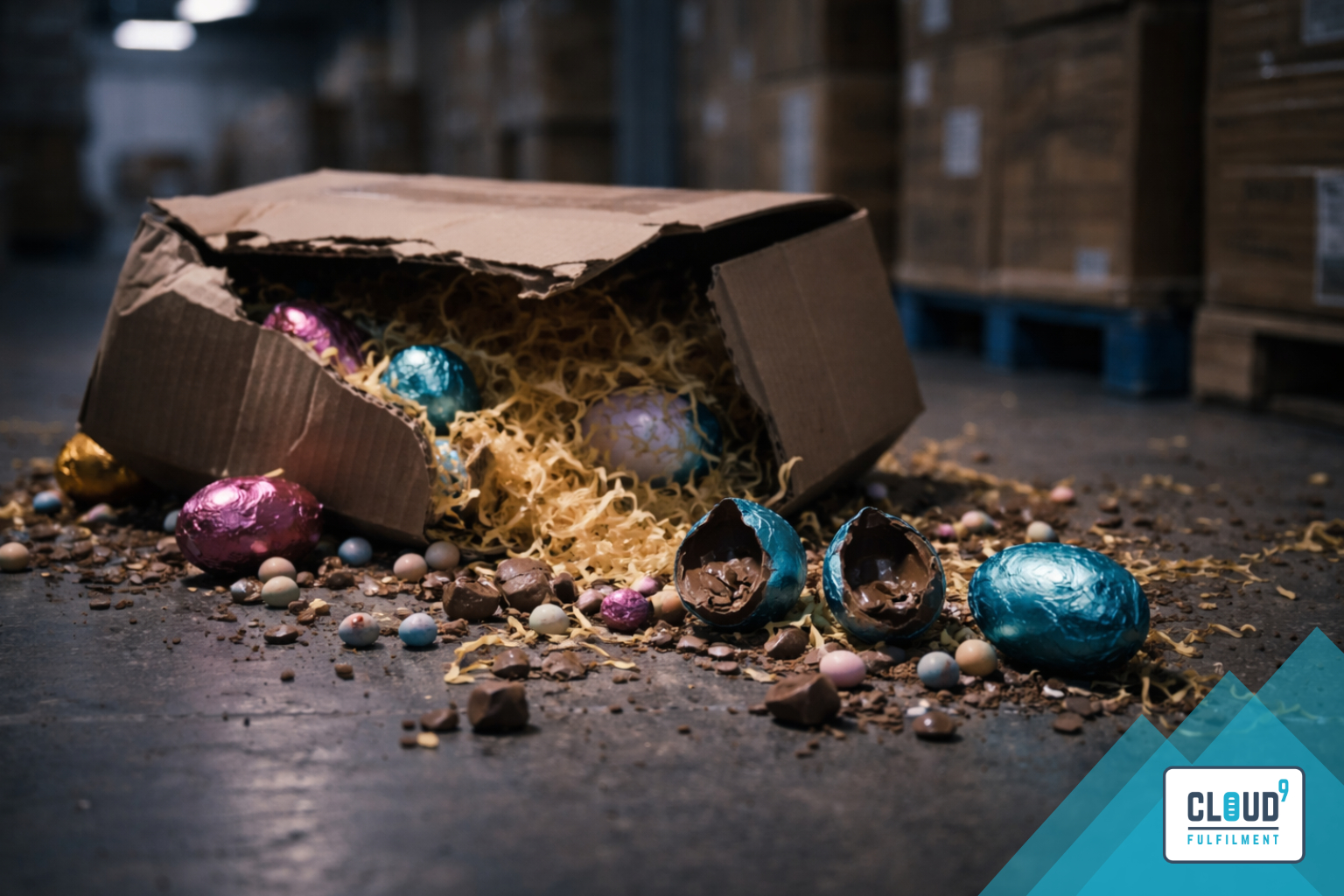
As demand increases, these cracks widen. Picking errors rise, dispatch slows and customer service teams spend more time managing delivery issues than supporting growth.
Growth does not create fulfilment problems. It exposes them.
The Direct Link Between Fulfilment and Customer Trust
For D2C brands, fulfilment is a front-line experience.
Customers may love the product, but late deliveries, missing items or unclear tracking quickly erode confidence. This is particularly true in food and supplement categories where replenishment timing matters and repeat orders are common.
When fulfilment performance slips, customers notice immediately. Over time, trust drops, reviews suffer and repeat purchase rates decline.
Strong fulfilment is not just operational efficiency. It is brand protection.
Why Short-Term Fulfilment Decisions Limit Long-Term Growth
Many D2C fulfilment decisions are made for speed rather than longevity.
Brands choose partners or systems that work for current volume without considering how they will perform when product ranges expand, order frequency increases or promotions drive spikes.
In FMCG and supplement fulfilment, this often leads to challenges around batch control, expiry management, stock rotation and accuracy under pressure.
When fulfilment cannot adapt, brands are forced into disruptive changes at the point of growth. These transitions are often costly, stressful and avoidable.
What Strategic Fulfilment Looks Like for FMCG and D2C Brands
Strategic fulfilment prioritises control over optimisation.
Rather than chasing speed alone, strong D2C operations focus on accuracy, visibility and flexibility. Processes are designed to support consistent order flow, clear stock management and predictable customer outcomes.
Data is used to inform decisions, not overwhelm teams. Reporting reflects operational reality, especially in food and supplement environments where stock freshness and compliance matter.
Fulfilment becomes part of the growth strategy, not something revisited only when problems appear.
The Role of a Fulfilment Partner in D2C Growth
As D2C brands scale, fulfilment partners become an extension of the business.
A strong partner understands the pressures of FMCG and consumable products. They support forecasting, manage complexity and adapt as volumes fluctuate due to promotions, launches or seasonal demand.
This relationship works best when it is collaborative rather than transactional. Shared visibility, open communication and flexibility allow fulfilment to support growth rather than restrict it.
The right partner creates confidence. The wrong one creates friction.
Building Fulfilment That Scales With Your D2C Business
D2C growth is rarely linear.
Demand spikes, new products launch and customer expectations evolve quickly. Fulfilment systems that are too rigid struggle to keep pace, especially in fast-moving consumer categories.
Brands that succeed long term build fulfilment that can adapt. They review processes, adjust capacity and evolve systems as the business grows rather than locking into fixed solutions too early.
Growth becomes easier when fulfilment evolves alongside it.
Key takeaways
- Fulfilment directly influences D2C growth and brand trust
- FMCG, food and supplement brands feel fulfilment issues earlier as volume increases
- Growth exposes operational weaknesses rather than creating them
- Short-term fulfilment decisions often limit long-term scalability
- Strategic fulfilment prioritises accuracy, visibility and flexibility
Thinking about how fulfilment supports your growth?