

About Cloud9 Fulfilment: a self-funded UK fulfilment company in Sheffield
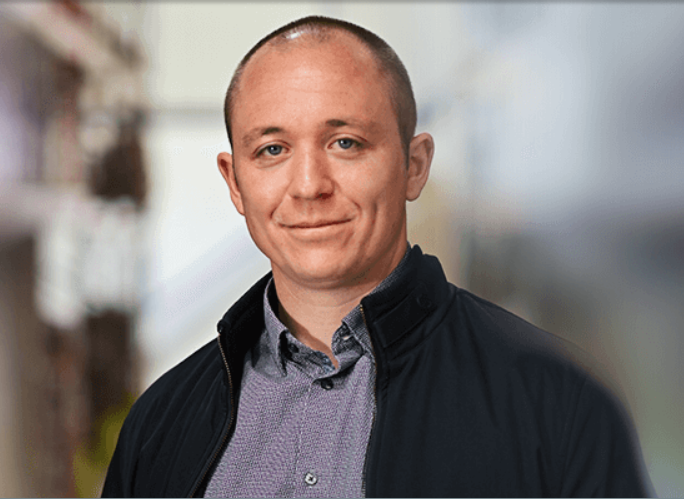
Why a fulfilment company, of all things
Josh Hegarty's dad sold antiques. He did well at it, well enough to raise a family on. But every sale started from zero. Find a rare item, buy it, sell it, then go and find another one. No repeat. No system. The whole business ran on him personally, and it could never get bigger than the hours he had.
Josh watched that for years. When he came to build something himself, that was the thing he was reacting against. He wanted a business where you could find a good way of doing something, write it down, and then do it again. And again. For more brands, at a bigger scale.
Logistics does that. So he rented a warehouse in Sheffield and started Cloud9.
The route in was not the usual one
He studied business at university and dropped out to play poker professionally. He did that for around a decade. Tournaments all over the world, a lot of time in airports, and a group of friends he's still close to.
What ended it wasn't a bad run. It was a young family and the realisation that he wanted something in the UK, something more grounded, something he could build. He jumped in with both feet, which is more or less how he does everything.
Some of those early friends came into the business as it grew. That's where the family feel came from, and Josh reckons it's still there now the company is a lot bigger than four people in a unit.
We're self-funded, and it shows in the small decisions
Cloud9 has never taken outside money. Everything you see was paid for out of the work.
That matters more than it sounds. It means nobody outside the building sets our growth targets. It means we're not chasing volume to hit somebody's number. It means when a client with ten pallets calls, we're not doing the maths on whether they're worth the phone call, because we were that size once and it wasn't very long ago.
It also means we've had to be careful. Everything we've built, we've built because it earned its place.
How we actually run the warehouse
Josh's instinct is process. Not process for its own sake, but because a documented process is the only thing that stops a good idea from quietly drifting back into whatever people did before.
When a brand comes to us with something out of the ordinary, the sequence is the same every time. Sit down and agree exactly what good looks like. Build the process around that, with the people who'll be doing it. Write it down. Then leave it alone until there's a real reason to change it.
He doesn't hand the warehouse manager a plan and walk off. The people doing the job get a say in how the job is done, because they know things about it he doesn't, and because a process nobody agreed to is a process nobody follows.
Kaizen isn't a poster on the wall
Anyone on the team can suggest a way to do something better. The kaizen team either runs it through or closes it with a clear reason why not.
Most of the ideas are small. A rail of hi-vis vests by the door, so we're not hunting round three offices when a visitor arrives. Some of them are bigger, like an automated rule that holds an order back when something looks off, before it ever ships.
Both count. The way we work isn't fixed. It gets a bit better most weeks, because the people improving it are the people doing it.
When it goes wrong
Logistics is an imperfect industry. Parcels get damaged. Couriers miss collections. Anyone who tells you otherwise is selling you something.
The bit that matters is what happens next. We log the error, work out the actual root cause, and adjust the process so the same thing doesn't catch us twice. We don't paper over it for the day and move on, which is the standard response and the reason the same problem keeps coming back.
Josh's line on this is that fulfilment isn't a utility. It isn't gas down a pipe where the customer is happy as long as the tap turns on. It's a partnership, and the test he applies is whether he'd accept the service if the stock were his own.
The technology is ours, and it's built in
Our digital team is in-house. Web, software, and the AI work that sits behind the scenes. That's deliberate.
Our WMS is DispatchCloud, which we've used since day one and which Josh still recommends to people who ask. On top of it we build our own modular software, working through APIs into DispatchCloud and everything else in the stack. The reasoning is simple. No two fulfilment operations run the same way. An off-the-shelf system makes you bend how you work to fit how somebody else works, and we'd rather not.
The clearest example is a single dashboard. It pulls from DispatchCloud, from Freshdesk where our customer service tickets live, and from ClickUp where projects sit. One database, one view. Overdue ticket, order at risk, productivity by person or by customer, all in one place instead of three systems and a spreadsheet.
Josh calls that the most impactful thing AI has done for us so far. Next on the list is carrier damage claims, which are currently a lot of manual back-and-forth, with a person still watching over the automated version when it lands.
The point of all of it is time. It clears the repetitive work so the team can spend more of the day on the part that actually matters, which is talking to clients and sorting real problems. It's there to help us grow, not to replace the people who got us here.
Who we work with
We don't have a minimum size.
What we look at isn't where a business is today. It's the people behind it, their background, their ideas, and where the thing could go. We've heard the same story too many times from founders who felt like an afterthought at their last provider. A brand shipping ten pallets is just as close to its founder's heart as one shipping ten times that, and gets the same attention here.
Beyond standard pick and pack we do kitting, and some on-site component build where part of the product is actually assembled in the warehouse. If it's genuinely outside what we do, we'll tell you rather than take it on and learn on your stock.
We read the chain backwards
Our clients' expectations are set by their customers, so that's where we start.
End-customer expectations have never been higher. Next day is normal now, and anything slower feels slow. That pushes us to keep moving cutoffs later and to push hard on first-time delivery success, because every missed delivery and every extra touch point lands back on the brand. Parcel lockers are one of the few genuinely useful things to happen to this industry in years, for exactly that reason.
What Josh would ask for, given one wish
A crystal ball.
The hardest part of running a fulfilment business is guessing how fast a client is about to grow, or shrink, and having the space and people ready either way. Failing the crystal ball, the plan is to use the data we already have to spot it early and make the call on evidence instead of gut.
Not a form that goes into a queue. Tell us what you're shipping and we'll come back with a real number, and a straight answer on whether we're the right fit. If we're not, we'll say so.

